
Our Materials
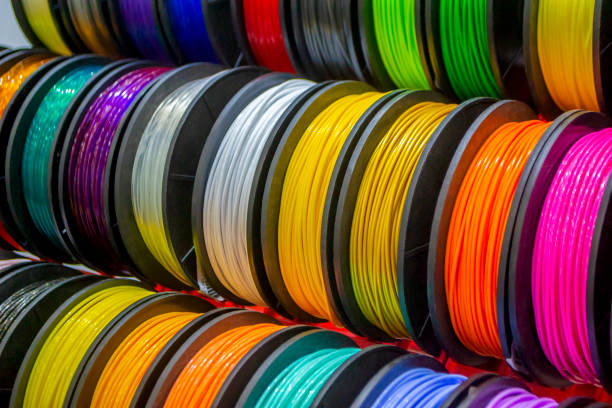
We offer a range of materials to suit your needs. These materials have different properties so it’s best to choose one that matches what you plan to do with your product. While we can advise on the best material choice for your application, we want you to be informed on our reasons for choosing a specific material. Below you will find a list of the materials we offer, along with their pros and cons.
| Material: | Pros: | Cons: |
| PLA | Low cost Wide range of colours Best print quality | Low melting point Poor UV Resistance |
| PETG | Impact resistance Higher melting point UV stability | Low rigidity poorer appearance |
| TPU | Flexible Impact resistant Elasticity | Absorbs moisture Lower layer adhesion Susceptible to solvents |
More Information:
PLA:
Stands for Polylactic Acid. A plant based polymer often used for decorative prints. Well renounded for its wide array of colour options and low cost. Easily able to be painted and sanded. However due to its low strength, it is not recommended for parts that undergo high wear or weight bearing.
PETG:
Standing for Glycol-modified Polyethylene Terephthalate, PETG combines properties of PLA and ABS. Offering excellent chemical resistance, impact absorption, and formability, used for functional parts, food containers, and medical devices due to its toughness, low warping, and clarity. While PETG is generally considered a food safe material, due to layer lines from printing we cannot guarantee food safety of our products and do not recommend using 3D printed components for such applications.
TPU:
Thermoplastic Polyurethane, is a versatile plastic known for combining rubber-like elasticity with plastic durability, used in phone cases, footwear, and 3D printing for its flexibility, abrasion resistance, and shock absorption.